

The Way a City Carries Itself
11 March 2026
Share
Art, Atmosphere and the Temperament of London, Paris, Shanghai and Abu Dhabi.
by Luning Wang - a cultural strategist and advisor whose work spans exhibitions, writing and cross-cultural collaboration across Europe, China and the Gulf.
Each city carries a temperament of its own, and that temperament seeps into the texture of its art scene, shaping its rhythm, its confidence and its sense of possibility. Over the past two years, moving between London, Paris, Shanghai and Abu Dhabi, I have watched how each city responds to the tremors of a shifting era. The “art worlds” are inseparable from the societies in which they exist and observing how they shift and respond can reveal much about a country’s broader condition. For all the talk of power shifting in the art world, each place still holds on to, or consciously reinvents, a distinct sensibility. Some cling to the glow of former glory, carrying history like a perfectly tailored coat they have no intention of discarding. Others move with startling speed and openness, staging with confidence a drama that belongs unapologetically to the present, and perhaps even more to the future.
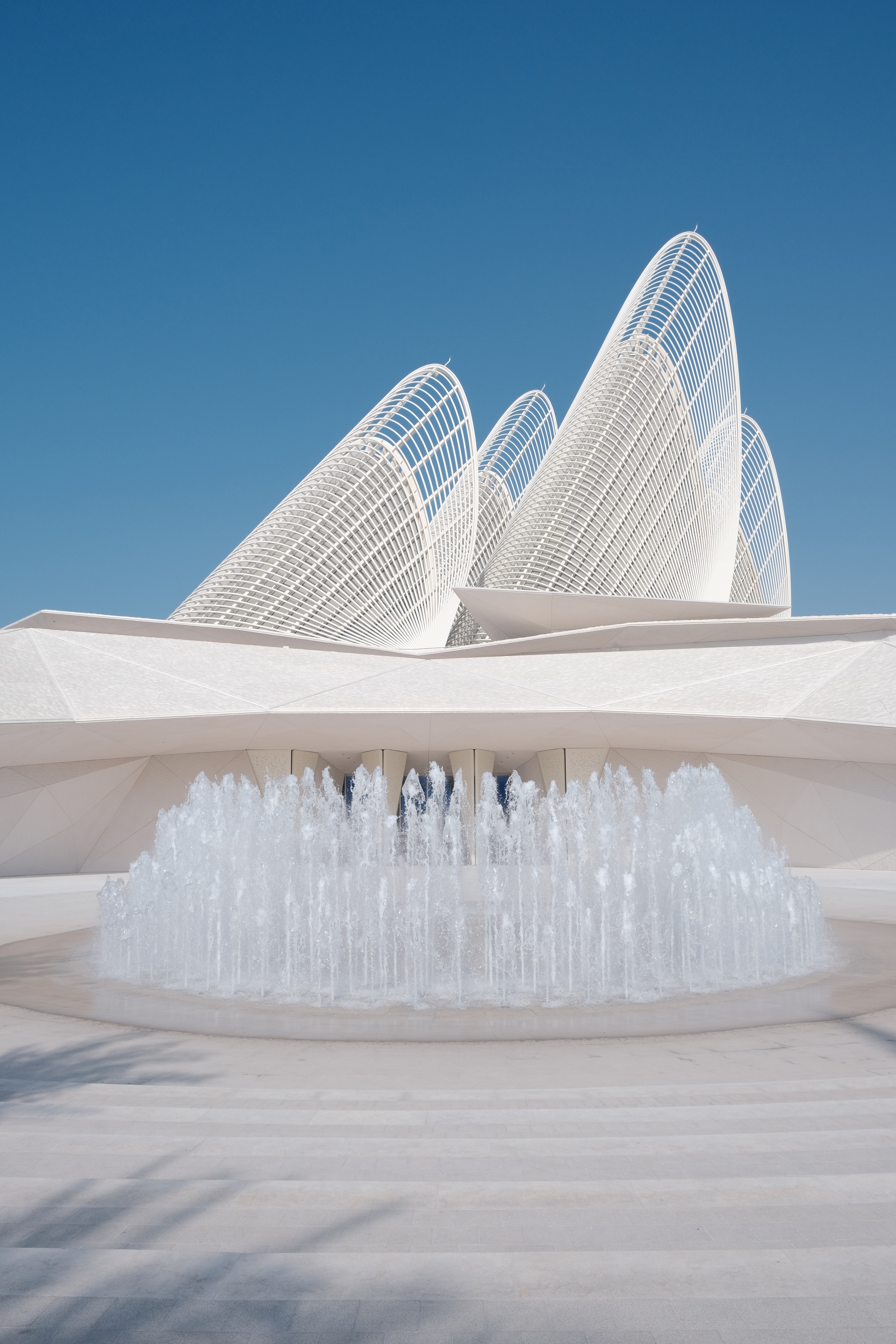
Zayed National Museum
Photo by Luning Wang
London and Paris belong, in many ways, to what we might call the old world, yet they both have mastered the art of carrying the old into the new. London remains one of the world’s largest art markets, underpinned by auction houses, legal frameworks and financial services that sustain its blue chip ecosystem. Paris meanwhile, rests on a deep-rooted culture of state patronage, reinforced by major public museums and a new wave of private foundations backed by luxury dynasties. East and West London feel worlds apart, one historically nurturing emerging artists, the other consolidating capital, their psychological distance far greater than any map might suggest. In Paris, the Left and the Right Bank maintain a polite but unmistakable disdain for one another, mirroring the intellectual versus commercial tensions that have shaped the city for centuries.
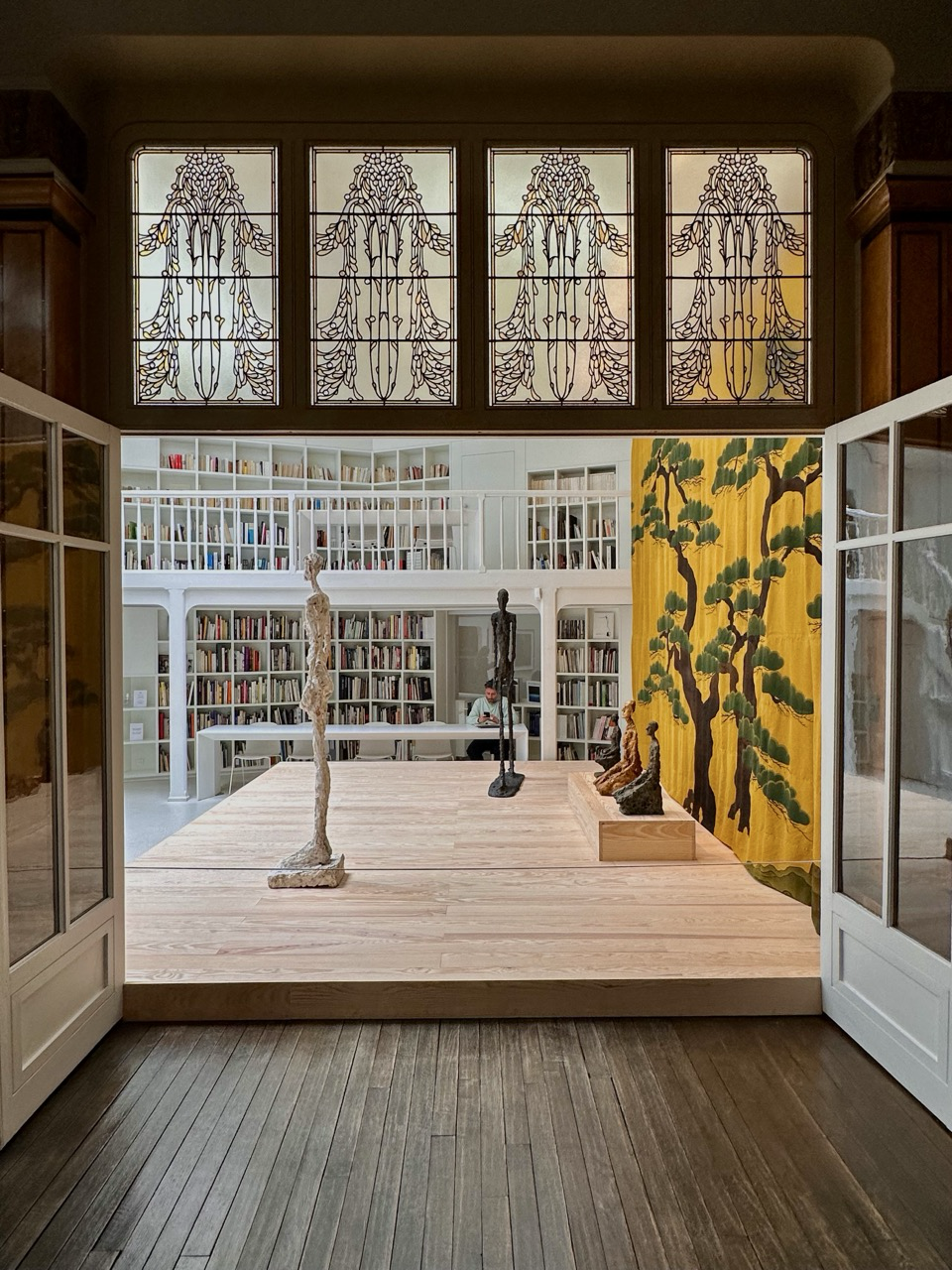
Giacometti Institut Paris
Photo by Luning Wang
London, for all its avant garde legacy, has always coexisted with the quiet conservatism of a former empire. The rebellious and the establishment-minded live side by side without contradiction. A single street can divide centuries. In St James’s, antique dealers and old-world tailors evoke a lingering sense of imperial glory, while just beyond, Mayfair projects a more international face, dense with blue chip contemporary galleries. Fitzrovia, meanwhile, carries younger energy, new blood circulating through old arteries. Paris stages its contrasts differently. In Saint-Germain-des-Prés, design galleries exude intellectual nostalgia and literary poise, while across the Seine in the Marais, the mood turns edgier and more openly contemporary. In recent years, Paris has gained momentum in the realm of private foundations. The word renaissance is often used to describe the city today, a revival that implies a quieter interlude before it. Yet the relationship between Paris and London is less a rivalry than a circulation. Many galleries move fluidly between the two cities. As Victor Custot of Waddington Custot observes, "the two capitals function less in opposition than in mutual reinforcement. Paris and London together create the energy, the creativity flow, the momentum. Each city pulls the other upward; each fair, each auction, each collector crossing the Channel strengthens the ecosystem". Meanwhile, many still look back to Britain’s YBA era with a certain longing, recalling its radicalism and vitality. Cultural fortune, however, is cyclical. London will not lose its backbone. Paris, as ever, remains a moveable feast.
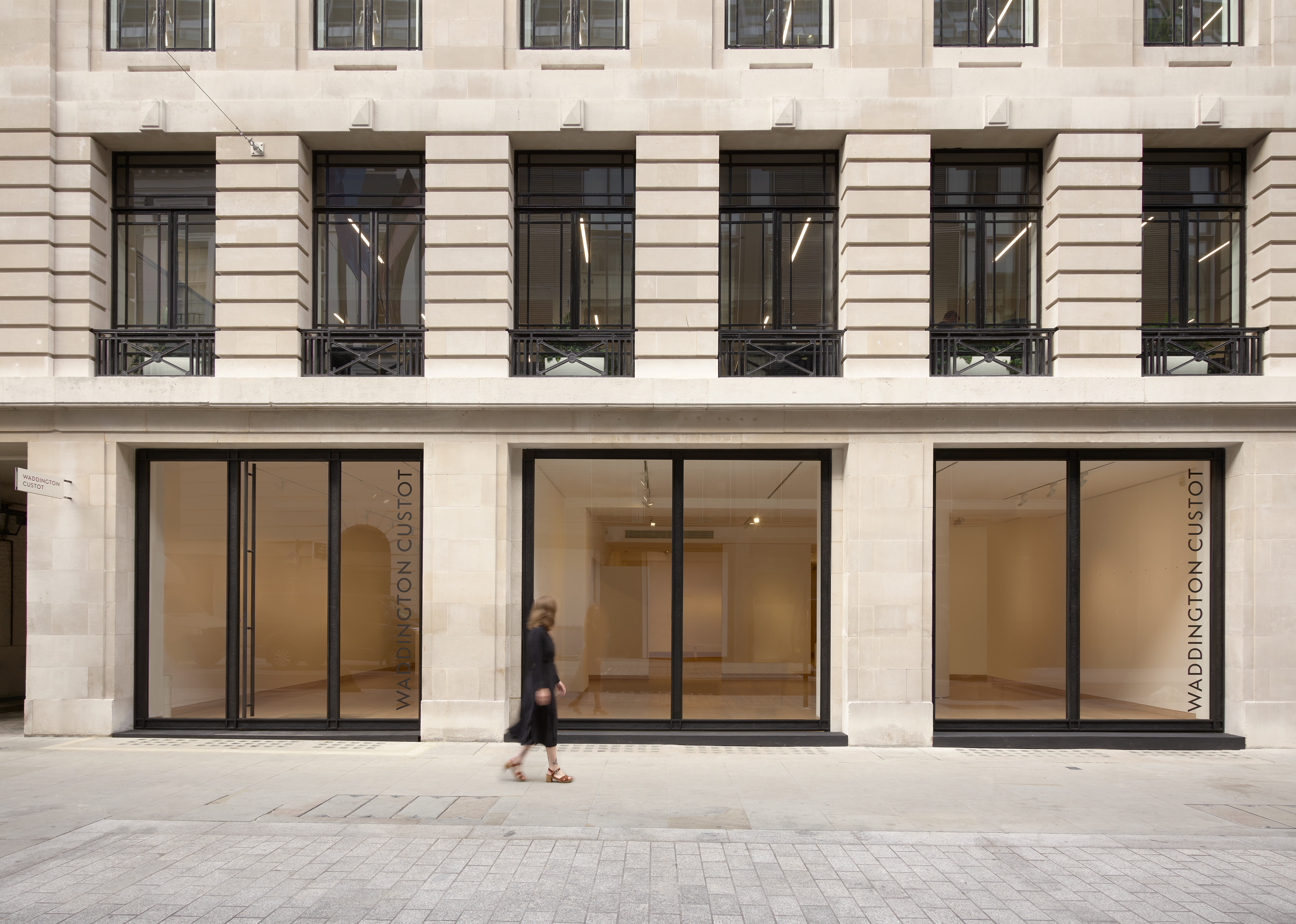
Courtesy of Waddington Custot
Shanghai operates differently. The city’s art scene intersects with fashion, technology, design and commercial real estate, where cross disciplinary energy outpaces imposed definition. Shanghai is defined by speed and innovation. Leave for two or three months and, upon return, the city feels newly rewritten. Yet beneath the velocity lies depth. The Republican era villas of the former French Concession speak of an earlier cosmopolitanism, a period when Shanghai absorbed global culture with openness. Today, a wave of adaptive reuse has turned many of these residences into contemporary exhibition spaces, inviting a new generation to rediscover them. Shanghai’s nostalgia is never about preservation for its own sake. It looks backward in order to move forward. Other cities leave little space for nostalgia at all. Their cultural construction points unapologetically toward a future without ceiling.
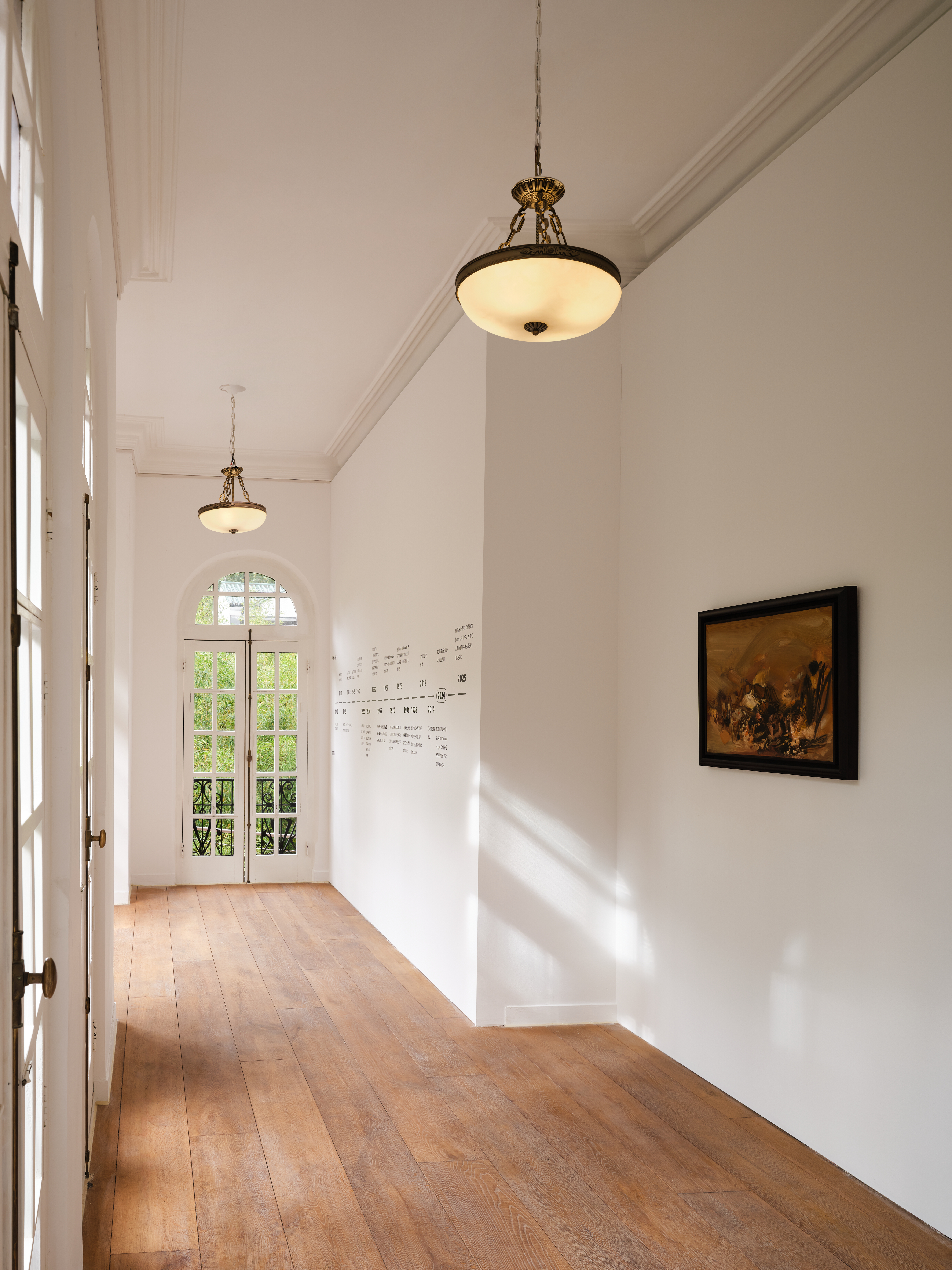
Chu Teh-Chun at Lumieres des Lumiere, RONG LU, Shanghai
Photo by Cai Yunpu
Image Courtesy: RONG LU, Shanghai
Nowhere is this more emblematic than in Abu Dhabi, which is now also in the political spotlight, not long after the buzz from Abu Dhabi Art and Collectors Week Abu Dhabi. Nevertheless, its newly built institutions are less about heritage than about horizon. The sea embracing dome of Louvre Abu Dhabi by Jean Nouvel, the falcon inspired structure of Zayed National Museum by Norman Foster, and the long-anticipated Guggenheim Abu Dhabi by Frank Gehry are architectural statements of sovereign ambition. The architecture is monumental, but it doesn’t feel cold. It draws people in rather than holding them at a distance. Culture here doesn’t arrive fully formed. You can see it taking shape. Between imperial streets, shared kitchens, riverbanks and desert domes, contemporary art takes on different accents. Perhaps that is the gift of our time: to see how differently a city can imagine itself.
by Luning Wang - a cultural strategist and advisor whose work spans exhibitions, writing and cross-cultural collaboration across Europe, China and the Gulf.
Each city carries a temperament of its own, and that temperament seeps into the texture of its art scene, shaping its rhythm, its confidence and its sense of possibility. Over the past two years, moving between London, Paris, Shanghai and Abu Dhabi, I have watched how each city responds to the tremors of a shifting era. The “art worlds” are inseparable from the societies in which they exist and observing how they shift and respond can reveal much about a country’s broader condition. For all the talk of power shifting in the art world, each place still holds on to, or consciously reinvents, a distinct sensibility. Some cling to the glow of former glory, carrying history like a perfectly tailored coat they have no intention of discarding. Others move with startling speed and openness, staging with confidence a drama that belongs unapologetically to the present, and perhaps even more to the future.
Zayed National Museum
Photo by Luning Wang
London and Paris belong, in many ways, to what we might call the old world, yet they both have mastered the art of carrying the old into the new. London remains one of the world’s largest art markets, underpinned by auction houses, legal frameworks and financial services that sustain its blue chip ecosystem. Paris meanwhile, rests on a deep-rooted culture of state patronage, reinforced by major public museums and a new wave of private foundations backed by luxury dynasties. East and West London feel worlds apart, one historically nurturing emerging artists, the other consolidating capital, their psychological distance far greater than any map might suggest. In Paris, the Left and the Right Bank maintain a polite but unmistakable disdain for one another, mirroring the intellectual versus commercial tensions that have shaped the city for centuries.
Giacometti Institut Paris
Photo by Luning Wang
London, for all its avant garde legacy, has always coexisted with the quiet conservatism of a former empire. The rebellious and the establishment-minded live side by side without contradiction. A single street can divide centuries. In St James’s, antique dealers and old-world tailors evoke a lingering sense of imperial glory, while just beyond, Mayfair projects a more international face, dense with blue chip contemporary galleries. Fitzrovia, meanwhile, carries younger energy, new blood circulating through old arteries. Paris stages its contrasts differently. In Saint-Germain-des-Prés, design galleries exude intellectual nostalgia and literary poise, while across the Seine in the Marais, the mood turns edgier and more openly contemporary. In recent years, Paris has gained momentum in the realm of private foundations. The word renaissance is often used to describe the city today, a revival that implies a quieter interlude before it. Yet the relationship between Paris and London is less a rivalry than a circulation. Many galleries move fluidly between the two cities. As Victor Custot of Waddington Custot observes, "the two capitals function less in opposition than in mutual reinforcement. Paris and London together create the energy, the creativity flow, the momentum. Each city pulls the other upward; each fair, each auction, each collector crossing the Channel strengthens the ecosystem". Meanwhile, many still look back to Britain’s YBA era with a certain longing, recalling its radicalism and vitality. Cultural fortune, however, is cyclical. London will not lose its backbone. Paris, as ever, remains a moveable feast.
Courtesy of Waddington Custot
Shanghai operates differently. The city’s art scene intersects with fashion, technology, design and commercial real estate, where cross disciplinary energy outpaces imposed definition. Shanghai is defined by speed and innovation. Leave for two or three months and, upon return, the city feels newly rewritten. Yet beneath the velocity lies depth. The Republican era villas of the former French Concession speak of an earlier cosmopolitanism, a period when Shanghai absorbed global culture with openness. Today, a wave of adaptive reuse has turned many of these residences into contemporary exhibition spaces, inviting a new generation to rediscover them. Shanghai’s nostalgia is never about preservation for its own sake. It looks backward in order to move forward. Other cities leave little space for nostalgia at all. Their cultural construction points unapologetically toward a future without ceiling.
Chu Teh-Chun at Lumieres des Lumiere, RONG LU, Shanghai
Photo by Cai Yunpu
Image Courtesy: RONG LU, Shanghai
Nowhere is this more emblematic than in Abu Dhabi, which is now also in the political spotlight, not long after the buzz from Abu Dhabi Art and Collectors Week Abu Dhabi. Nevertheless, its newly built institutions are less about heritage than about horizon. The sea embracing dome of Louvre Abu Dhabi by Jean Nouvel, the falcon inspired structure of Zayed National Museum by Norman Foster, and the long-anticipated Guggenheim Abu Dhabi by Frank Gehry are architectural statements of sovereign ambition. The architecture is monumental, but it doesn’t feel cold. It draws people in rather than holding them at a distance. Culture here doesn’t arrive fully formed. You can see it taking shape. Between imperial streets, shared kitchens, riverbanks and desert domes, contemporary art takes on different accents. Perhaps that is the gift of our time: to see how differently a city can imagine itself.